Spec guide
Underfloor heating and heated towel rails: worth it in a NZ bathroom?
A warm floor and a warm towel are two of the small luxuries that make a renovated bathroom feel finished. They are also two things people get wrong on cost and timing. Here is the honest read on whether they are worth it, what they cost to run, and why they have to go in during the reno, not after.
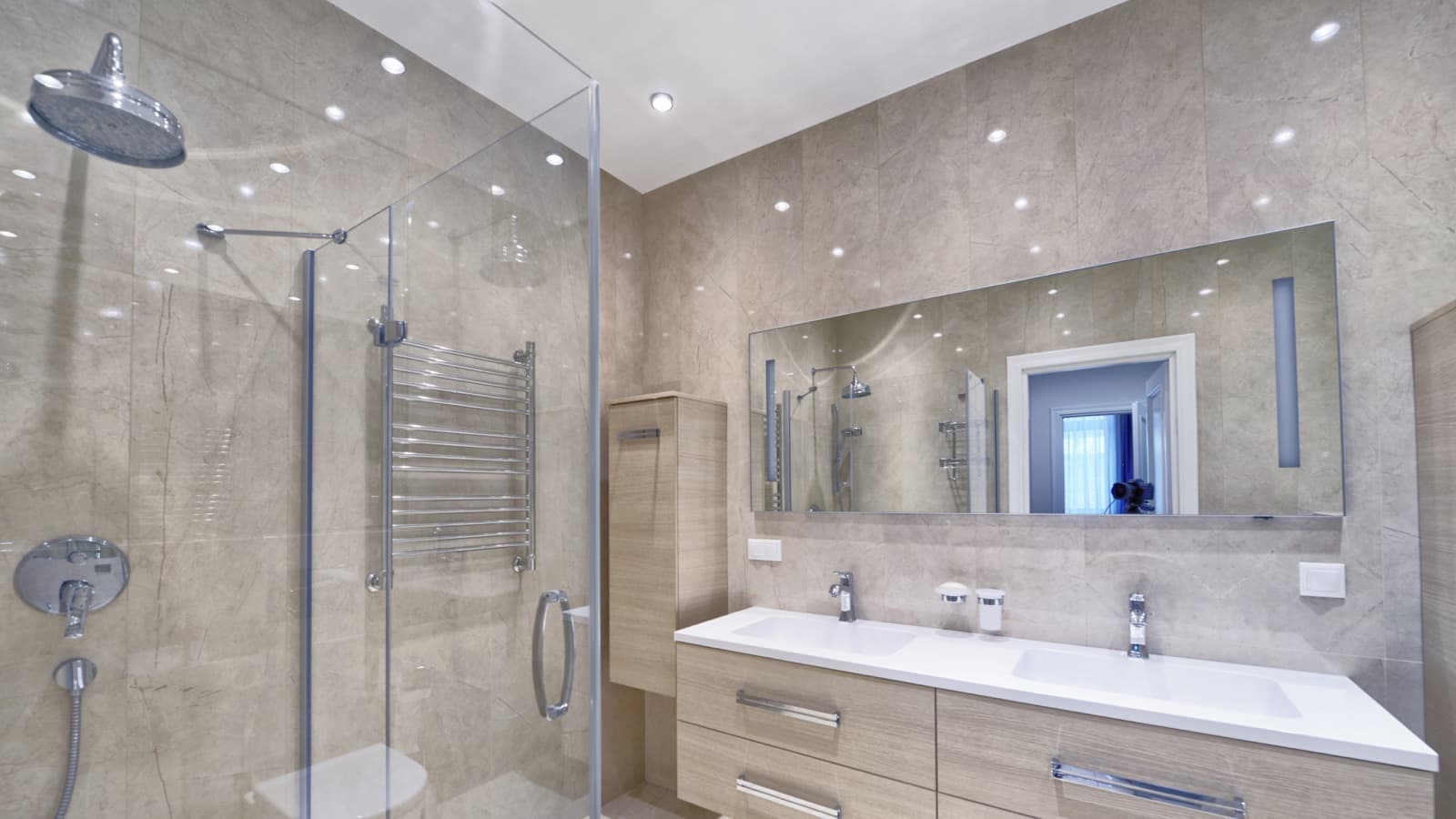
Underfloor heating: the comfort upgrade
Tile is a hard, cold surface, and a New Zealand winter morning makes you feel every bit of it. Underfloor heating fixes that. It turns the coldest floor in the house into the warmest, and once people have lived with it, it is the feature they say they would never leave out again. It is worth being clear though: this is a comfort upgrade, not an energy-saving one. You are paying for how the room feels, and for a lot of homeowners that is money well spent.
It also pairs neatly with the wider look people are chasing right now. If you are leaning into the warmer, more tactile finishes in our 2026 bathroom design trends rundown, a warm floor underfoot is part of the same idea.
Electric in-slab vs under-tile
For a renovation, there are broadly two electric approaches. The common one for a bathroom reno is an under-tile heating mat or cable that sits in the tile adhesive, directly beneath the floor tiles. It heats up quickly, it is well suited to the smaller footprint of a bathroom, and it goes in as part of the tiling stage.
In-slab heating, where the cable is cast into a concrete slab, is more of a new-build or major-structural option. It holds heat for longer but responds slowly, which suits a whole-of-home approach more than a single bathroom you warm for an hour before a shower. For most Waikato bathroom renovations, under-tile is the sensible pick. We will tell you which one actually fits your job at the measure rather than selling you the dearer option by default.
What it costs to run
This is where people over-worry. A bathroom floor is a small area, and under-tile heating is almost always run on a timer or thermostat for an hour or two a day, so the running cost tends to be modest rather than frightening. The bigger the floor and the longer you leave it on, the more it costs, so the honest answer is that it depends on your bathroom, your power rate and your habits.
A few things keep it sensible in practice:
- Put it on a timer or thermostat so it warms the room before you use it, not all day.
- Size the heated area to where you actually stand, rather than every square metre of floor.
- Pair it with a well-insulated, properly ventilated room so the warmth is not fighting damp air.
Treat any single dollar figure you read online as a guide only. Power prices and usage vary, and we would rather give you a realistic range for your room than quote a number that looks tidy but is not yours.
Why it has to go in during the reno
Under-tile heating lives beneath the floor tiles, so it is installed after waterproofing and before the tiles go down. There is no tidy way to add it later without lifting the floor you just paid to have tiled and waterproofed. That is the single most common regret we hear about, and it is entirely avoidable. It is exactly why we ask about heating at the design stage, so it is priced in and planned from the start. If a warm floor is even a maybe for you, flag it early. Adding the cabling while the floor is already open costs a fraction of doing it as a second job.
Heated towel rails: small cost, real difference
A heated towel rail is the cheap win. It dries your towels so they are not hanging wet for hours, it adds a bit of gentle background warmth, and in a small room that helps keep humidity down. Size it to the number of towels the household actually uses, and put it somewhere the towels can hang without crowding, so it does its job rather than sitting there as a warm ladder.
Two honest caveats. First, we almost always recommend running the rail off a timer or switch rather than leaving it on around the clock, because a permanently-on rail is where the power-bill surprise comes from. Second, a rail is not a ventilation system. It helps at the margins, but the real defence against damp and mould is a correctly sized extractor fan. We go into that properly in our guide to bathroom ventilation and mould, and it is worth reading alongside this.
Do these little comfort features add resale value? Not in a way you can bank a fixed number on, but a warm, dry, well-finished bathroom shows better to buyers than a cold one, which is part of the wider picture we cover in does a bathroom renovation add value.
FAQs
Heating questions, answered straight
For a lot of Waikato homeowners, yes, if comfort matters to you and you are already tiling the floor. A warm tiled floor on a cold winter morning is the change people notice most, and it takes the chill off a room that tile can otherwise make feel cold. It is a comfort upgrade rather than a way to save money, so it comes down to how much you value that.
Get a fixed price on your bathroom
Tell us what you have got and what you want. We will come and measure up, talk through the options, and give you a fixed price in writing. No charge, no pressure.