Materials guide
Best flooring for a bathroom in NZ
Bathroom flooring has to do three jobs at once: stay waterproof, stay safe when it is wet, and still look good in ten years. That rules a few popular options out and narrows the field fast. Here is how the main choices compare for a New Zealand bathroom, and what we would put down where.
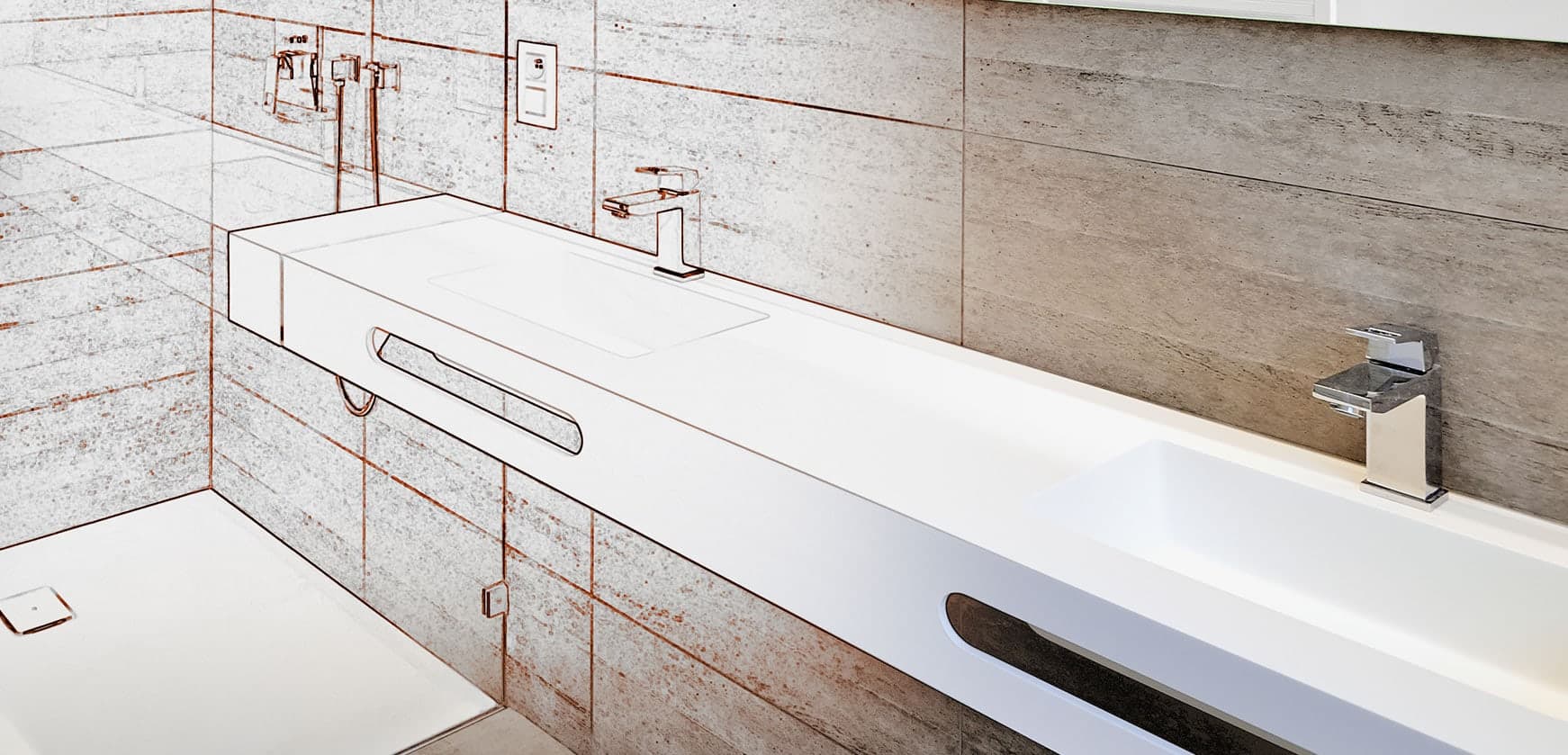
Porcelain and ceramic tile: the default
For most Waikato bathrooms, tile is the answer. Porcelain in particular is dense, hard-wearing and fully waterproof once it is laid over a sound, waterproofed substrate. Ceramic is a little softer and often cheaper, and works fine on walls and lighter-use floors, but for the floor itself porcelain is usually the better buy.
The look has come a long way. Large-format porcelain gives you fewer grout lines and a calmer, more modern floor, and stone-look and concrete-look ranges get you the appearance of the premium materials with none of the sealing and upkeep. If you are choosing tiles, our bathroom tile ideas for 2026 runs through what is current and what is starting to date.
Stone, vinyl and LVT
Natural stone, such as travertine, limestone or marble, is the premium end. It looks superb and no two floors are the same, but it is porous, so it needs sealing on install and re-sealing over time, and it is less forgiving of harsh cleaners. It is a lovely choice if you go in knowing the maintenance that comes with it.
At the more practical end, vinyl in its modern forms, including LVT and SPC planks and tiles, has become a genuinely good bathroom floor. It is warmer and softer underfoot than tile, quieter, quick to lay, and priced below a full tile job. The trade-offs are that it is not as tough as porcelain over decades and the visual, while often convincing, is a printed layer rather than the real material. For a rental or a budget-led reno it can be exactly the right call.
Why timber and laminate do not belong here
Real timber and laminate flooring both move with moisture, and a bathroom is the one room in the house you cannot keep dry. Around a shower, toilet or vanity they can swell, cup, lift at the joints or delaminate, and neither gives you a floor you can trust to shed water. We would not lay either in a wet area, and it is worth being wary of any quote that suggests it. If it is the warm timber look you are after, a wood-look porcelain tile or a quality vinyl plank gets you there without the risk. The waterproofing underneath any of these is done to Building Code clause E3 regardless of the floor on top.
Slip rating: the number that matters when it is wet
A bathroom floor is a wet floor, so slip resistance is not a detail, it is a safety decision. Tiles are commonly given an R-rating for slip resistance, and as a general guide you want something in the R10 range or better on the bathroom floor, and higher again inside a shower or a wet room where water sits. The standards and ratings can change, so it is worth confirming the current recommendation for your situation with your tile supplier.
The classic mistake is laying a glossy wall tile on the floor because it matches. It looks great dry and turns skiddy the moment it is wet. We pick the floor tile for where it is going, not just how it looks, which matters even more in a level-entry shower or a wet room. There is more on wet-area detailing in acrylic vs tiled shower.
Warmth, heating and what we would pick
Tile and stone can feel cold underfoot on a Waikato winter morning, which is the one honest knock against them. The fix is underfloor heating, and tile and stone are the ideal surfaces over it because they conduct and hold the heat well. Vinyl and LVT can also sit over underfloor heating if the product is rated for it, but you have to respect the maximum floor temperature. Either way, heating is far cheaper and cleaner to install during the renovation than to retrofit afterwards, which we cover in underfloor heating and heated towel rails.
Rough steer, depending on what leads for you:
- Best all-round: large-format porcelain tile, over underfloor heating if the budget allows.
- Budget or rental: a good vinyl or LVT plank, warmer underfoot and quicker to lay.
- Premium look, happy to maintain it: natural stone, sealed and cared for.
- Want the timber look: wood-look porcelain, never real timber or laminate in the wet area.
FAQs
Flooring questions, answered straight
For most New Zealand bathrooms, porcelain tile is the best all-round choice. It is fully waterproof, hard-wearing, works over underfloor heating and comes in large-format and stone-look options. Vinyl or LVT is a solid budget alternative that is warmer and softer underfoot, while natural stone is the premium option if you are willing to seal and maintain it.
Get a fixed price on your bathroom
Tell us what you have got and what you want. We will come and measure up, talk through the options, and give you a fixed price in writing. No charge, no pressure.