Planning guide
12 things to consider when renovating a bathroom (NZ, 2026)
Most bathroom checklists online are written for overseas homes and skip the things that actually matter here: our damp climate, tank water out in the country, consent rules and older Waikato housing stock. This is the New Zealand version, from a team that only does bathrooms.
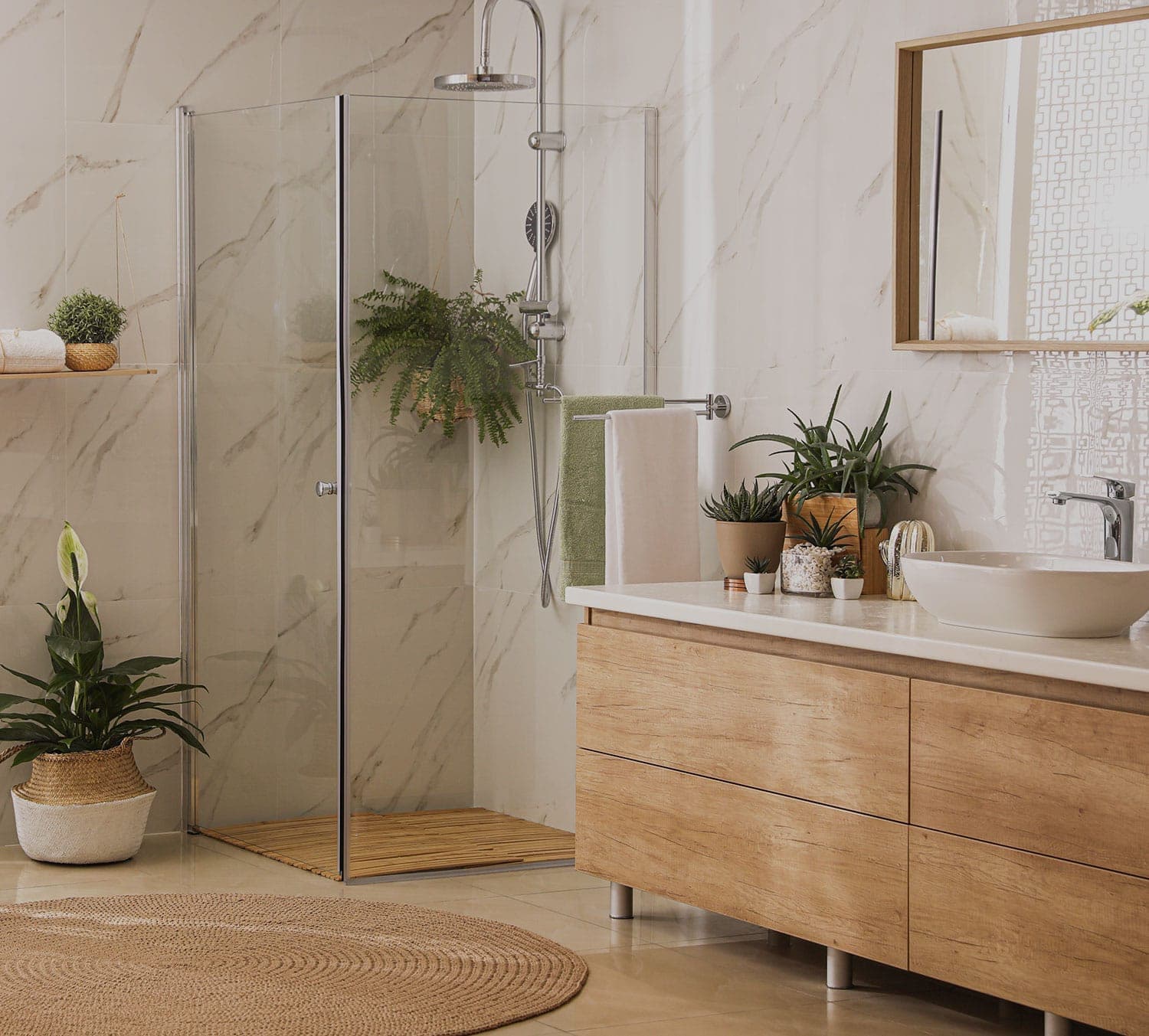
Why an NZ checklist beats a generic one
A bathroom is a small room that hides a lot of complexity, and the conditions here are specific. We build for a wet climate, for houses that are often 50 to 70 years old, for rural properties on tank or bore water, and inside New Zealand consent rules. A checklist that ignores all of that will steer you wrong.
The list below is the honest set of things worth thinking through before you start. Some will apply to your home and some will not, and the only way to be sure is a measure, but running through them early will save you money and surprises later.
The 12 things to consider
- 1. Budget, plus a real contingency. Set your build budget, then hold roughly another 15 to 20 percent back for the things nobody can see until the walls are open. Older bathrooms often hide rot or failed waterproofing. For a sense of where renovations land, see our guide to bathroom renovation costs in NZ, and treat every figure as a range until a measure confirms it.
- 2. Layout, and what you keep versus move. Keeping the toilet, shower and basin roughly where they are is far cheaper than relocating them, because moving fixtures means moving drainage and water. Moving plumbing can be well worth it for a better room, but decide it early, because it is one of the biggest cost levers you have.
- 3. Waterproofing to E3. The membrane behind your tiles is the single most important part of the job and the part you never see. Done to Building Code clause E3 and set out correctly, it keeps water in the wet area for decades. Rushed, it leaks quietly and rots framing, which is why we treat it as non-negotiable.
- 4. Ventilation for our damp climate. A properly sized extractor fan, ducted outside rather than into the ceiling cavity, is the cheapest insurance in the whole renovation. New Zealand homes hold moisture, and a bathroom without good airflow grows mould fast. More on ventilation and mould.
- 5. Consent versus exempt work. Some bathroom work is exempt and some needs consent or a licensed person, depending on what you are changing and your council. Sorting the consent path before you start avoids a stalled job. Read whether you need building consent, and confirm your specific situation with your local council, as the rules can change.
- 6. Water pressure, especially rural. If you are on tank or bore water, or an older town supply, check pressure and hot water capacity before you fall in love with a big rain shower head. It is far better to spec the shower around the water you have than to fit it and be disappointed.
- 7. Storage. Bathroom storage is almost always underestimated. Think about a vanity with drawers, a mirrored cabinet, or a recessed niche in the shower wall rather than shelves that gather grime. Planning it in now is easy; adding it later usually is not.
- 8. Lighting in layers. One central light leaves you shadowed at the mirror. A mix of good general light, a task light or backlit mirror at the vanity, and waterproof-rated lighting near the shower makes the room work morning and night. It is a small line in the budget for a big difference in feel.
- 9. Tiles and slip. Choose your floor tile for grip as well as looks. A wet floor needs a suitable slip rating, and the smaller the tile on the shower floor the more grout lines you get for grip. Get advice on the right rating for a wet area rather than picking on appearance alone.
- 10. Heating and a heated towel rail. A heated towel rail dries towels and helps keep the room dry, and underfloor heating makes a real difference in a Waikato winter. Both are far cheaper to install during the renovation than to retrofit, so decide while the floor and walls are open.
- 11. A builder who only does bathrooms. The parts that fail when they are rushed, waterproofing, falls to the drain and tiling, are the parts a specialist does every week. A focused team usually means one point of contact and a fixed price rather than juggling separate trades yourself. Here are the questions worth asking a renovator.
- 12. A realistic timeline. A bathroom is not a weekend job. Between strip out, waterproofing cure times, tiling and fit off, most renovations run a few weeks on site, and ordering materials before demo starts keeps it moving. Plan for the room to be out of action for that stretch and life is a lot easier.
The thread running through all twelve
Almost every item on this list comes back to the same thing: decisions made early, before anyone swings a hammer, cost far less than changes made mid-build. That is why we measure, assess your actual bathroom and quote a fixed price in writing, rather than starting and hoping. As New Zealand Certified Builders with the Halo 10-Year guarantee, we would rather find the surprises on paper than in the middle of your job.
None of this is meant to put you off. A bathroom renovation is one of the best changes you can make to a home. Thinking these twelve through just means you walk into it with your eyes open.
FAQs
Common planning questions, answered straight
Start with a realistic budget that includes a contingency, then the layout and whether any plumbing needs to move. Those two decisions drive most of the cost and the timeline. Everything else, from tiles to tapware, is easier to sort once the budget and layout are settled.
Get a fixed price on your bathroom
Tell us what you have got and what you want. We will come and measure up, talk through the options, and give you a fixed price in writing. No charge, no pressure.