Spec guide
Bathroom waterproofing explained: what E3 means for your reno
Waterproofing is the part of a bathroom renovation you never see and never think about, right up until it fails. Get it right and it quietly does its job for decades. Get it wrong and it rots the building from the inside. Here is what the standard means, in plain English, and why we take it as seriously as we do.
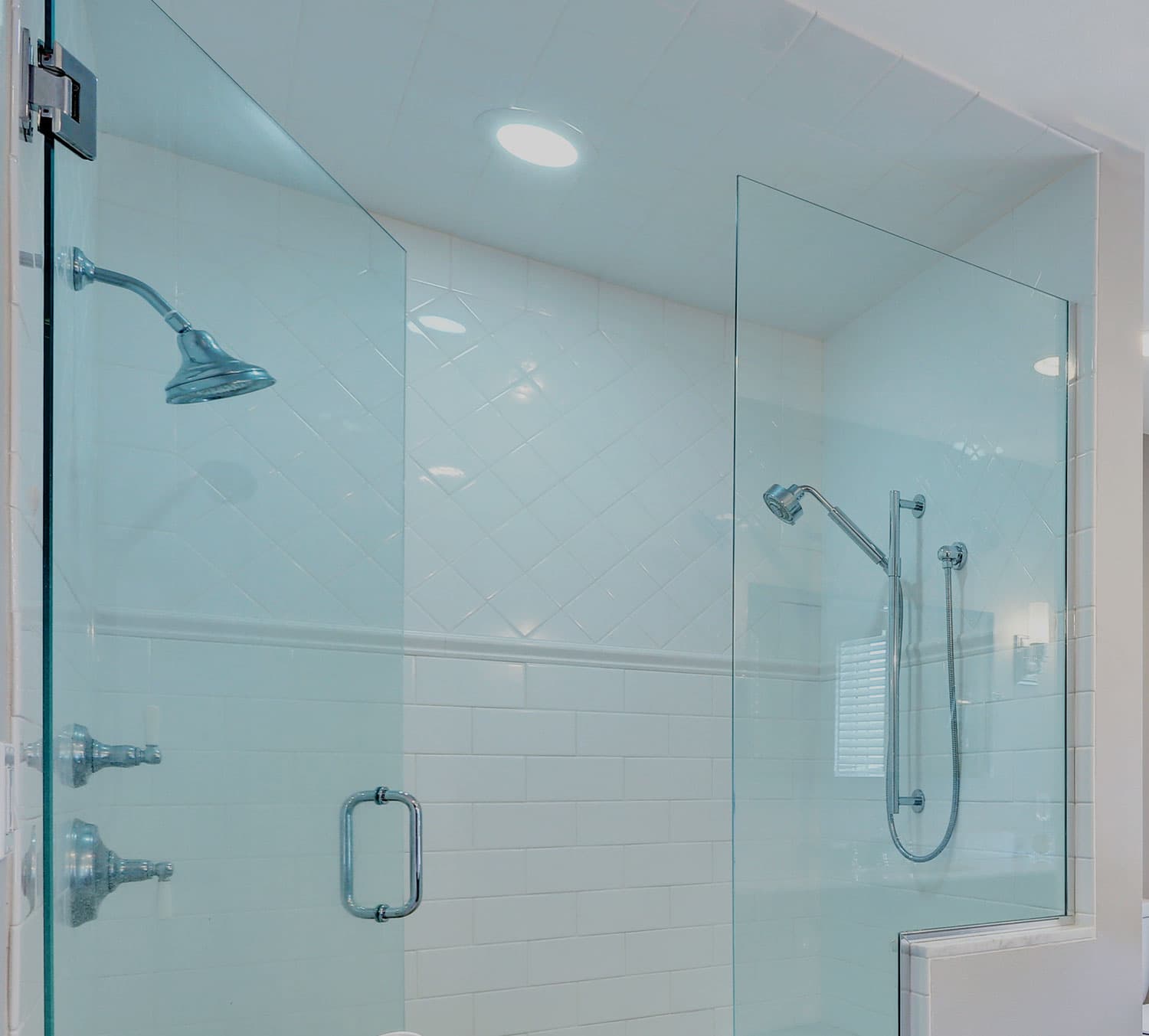
What E3 actually is
E3 is a clause of the New Zealand Building Code, and it deals with internal moisture. The short version is that it is the rule that says wet areas in a home have to be built so water stays where it is meant to and does not soak into the structure around them. In a bathroom that means the shower, the floor and the splash zones around the basin and bath.
A wet area is not just the tray you stand in. It is the run of wall the water hits, the floor it lands on, and the junctions where wall meets floor and where the drain sits. All of that has to be tanked before anything goes on top of it. The Code sets the outcome, the acceptable solutions and standards set the detail, and both can be updated over time, so the current requirements are always worth confirming with your local council for your specific job.
How a wet area gets tanked
Waterproofing is a system, not a single coat of paint. Done properly, a wet area has a few things working together, and they have to be built in the right order before a single tile goes on.
- A sound, dry substrate, because a membrane is only as good as what it sticks to.
- A continuous membrane over the floor and up the walls to the right height, with no gaps or thin spots.
- Reinforced junctions where wall meets floor and around the drain, pipe penetrations and corners, which is where most leaks start.
- Correct falls so water actually runs to the drain instead of pooling, which matters even more in a level-entry or wet-room layout.
Tiling is the finish that sits on top and takes the daily wear. It is the membrane underneath that keeps the water out. The two are a pair, which is why we treat waterproofing and tiling as one job on our waterproofing and tiling service.
What failure looks like, and why you cannot see it
When waterproofing is rushed or skipped, the water does not stop. It just goes somewhere you cannot see. It tracks behind the tiles, into the wall framing and under the floor, and it can do that quietly for a long time. The tiles look fine, the shower looks fine, and the timber behind them is slowly getting wet.
By the time it shows up as lifting tiles, a soft floor, staining on the far side of a wall or a musty smell, the damage is usually well underway. Trapped moisture also feeds mould, which is a health issue as much as a building one, and it often pairs with poor ventilation in an older bathroom. We cover that side of it in our guide to bathroom ventilation and mould. This invisible-until-severe pattern is exactly why a leaking shower can end up costing far more to fix than it ever would have cost to build right the first time.
Why the right people matter
Waterproofing rewards experience and punishes shortcuts, and the details that go wrong are the ones a general builder does not detail every week. We only do bathrooms, so wet-area detailing is not a side task for us, it is the core of the job. Every renovation we build is waterproofed to the current requirements under E3, and the work is backed by our credentials as New Zealand Certified Builders members with the Halo 10-Year Residential Guarantee behind it.
We also assess what is already there before we quote. When we strip an older bathroom we check for failed membranes, rot and any surprises under the old tray, and we price the repair up front rather than after we have opened the walls. If you want to weigh up finishes at the same time, our comparison of acrylic vs tiled showers walks through where each one makes sense.
FAQs
Waterproofing questions, answered straight
E3 is the clause of the New Zealand Building Code that deals with internal moisture, and it covers how wet areas like showers and bathroom floors are protected from water getting into the building. In practice it is the reason a bathroom has to be waterproofed properly before it is tiled or lined. Standards and acceptable solutions can change over time, so confirm the current requirements with your local council.
Get a fixed price on your bathroom
Tell us what you have got and what you want. We will come and measure up, talk through the options, and give you a fixed price in writing. No charge, no pressure.